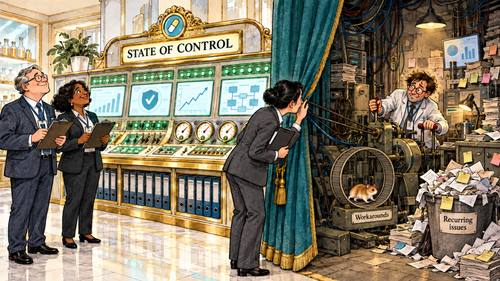
I forgot how fast this is moving
To anyone who feels behind: you are not behind, you just aren’t plugged in yet. This newsletter is a good start.
Howdy Friends,
This week, I got a surprising number of calls from colleagues who were clearly shook after sitting through a webinar about what's possible with AI right now. I'll take it as a compliment that when their socks got blown off, I was the person they wanted to call. Apparently I am, to some of them, "the AI guy."
I didn't watch the full thing myself (it's on my list), but I gathered enough. Agents! Virtual employees! Robots that go forth into the world with the tools they need to get things done — no micromanaging required.
Genuinely amazing, and a little frightening — at least according to my colleague, who actually watched it. I didn't make it that far. The part I did catch was the presenter on camera next to an illustration of his "virtual officer," complete with a name, a bio, and a little hello from her to the audience. My allergy to AI hype started acting up.
But fine, I get it. The reactions from my friends were honest. "Do you know about these 'agents'?" (I do.) "Have you ever built one?" (Yes — back in February, when I figured everyone else was, too.) And that's when it hit me… I keep forgetting how fast this is moving relative to how much time most people have to keep up with it. That’s my bad.
I've been white-knuckling this thing since 2023. I started "vibe coding" before the term existed — back when all we had was Copilot autocomplete, and I had to actually learn a bunch of Python and HTML for any of it to work (poorly). I've been in the deep end so long I forget that most people haven't even put a toe in.
And that's the whole reason LabScale AI exists. I genuinely enjoy slowing down the train just enough so it starts to work for the rest of us — for the things you actually care about in your work.
So to anyone who feels behind: you are not behind, you just aren’t plugged in yet. Those are different problems. The first one is a story you're telling yourself. The second one is fixable, and it's actually the easier of the two. (If you're reading this, you're probably further along than most. Forward this to someone who isn't.)
What we want to avoid is skilled knowledge workers in life sciences missing out on real opportunities because the larger organizations around them — regulatory agencies included — are adopting this stuff while the day-to-day work starts to get away from them. That's the gap I'm trying to close.
Speaking of which: my next live workshop, AI-Proof Your Practice, is on May 29 — a half-day virtual session (3 hours) on building an AI use policy for yourself or your team. Registration is open now, limited seats available. If you've been nodding along to colleagues talking about agents and not quite sure what to do about it, this is for you.
Thanks for reading!
Alexa
News
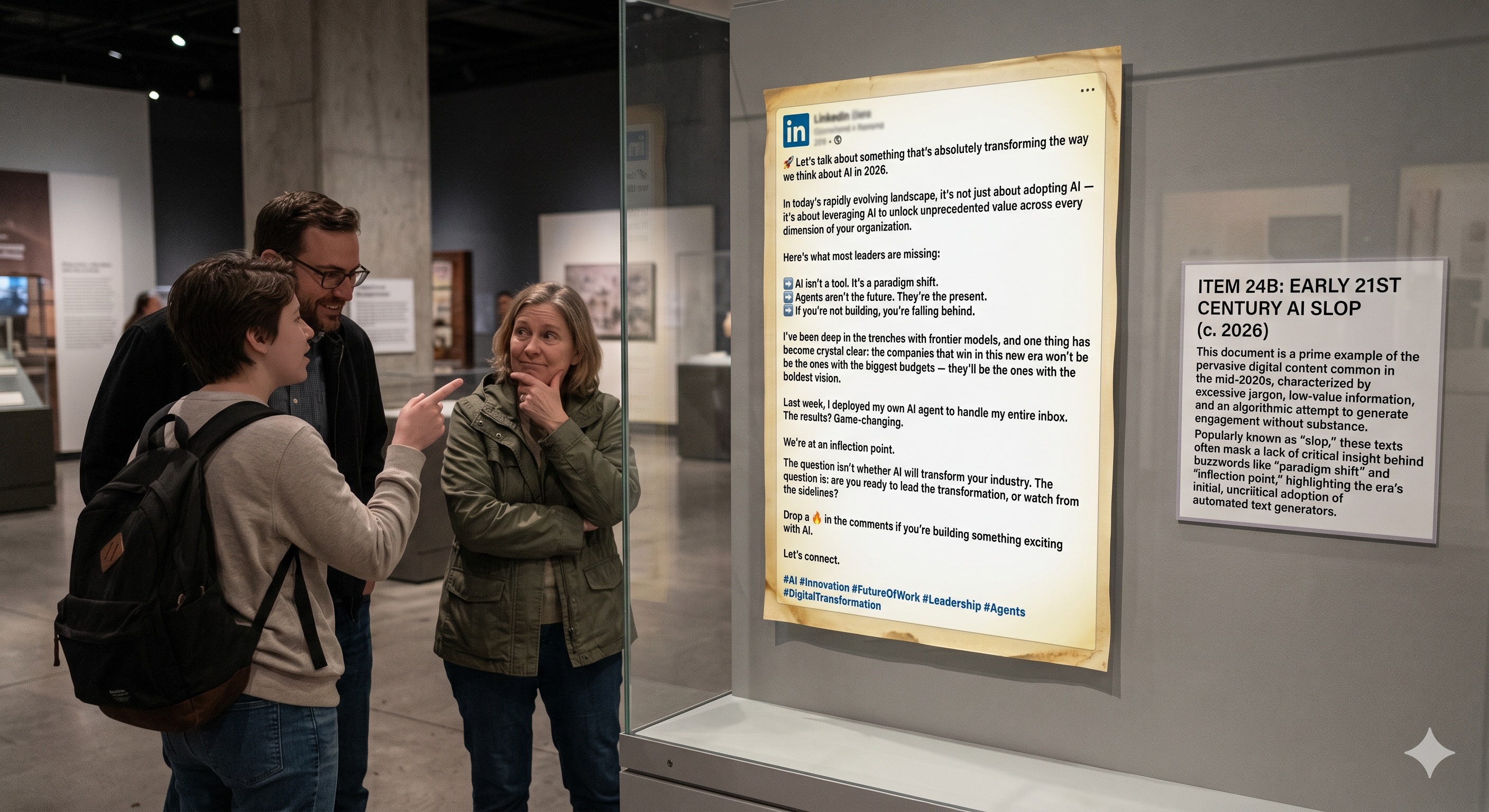
The Cure for AI Slop Is More AI (A Study)
What's New: A timely follow-up to last week's note on the AI slopocalypse — this paper popped up in my LinkedIn feed a few days after I hit send, and it's a beautiful piece of receipts. Researchers from UMD, Microsoft, and UMass Amherst tested how well humans can spot AI-generated writing from frontier models (GPT-4o, Claude-3.5-Sonnet, o1-Pro), even when the AI text had been "humanized" to evade detection. The headline finding: people who frequently use LLMs for their own writing were near-perfect at detecting AI text — better than almost every commercial detection tool on the market. People who don't use LLMs much were bad at it, and worse, overconfident in their wrong answers.
What’s Going On:
Annotators read 300 non-fiction articles and labeled each as human-written or AI-generated, with written explanations for their reasoning
Five "expert" annotators (selected because they regularly use LLMs for editing, copywriting, and creative work) were given no special training or feedback
Their majority vote misclassified only 1 out of 300 articles — including articles specifically rewritten to evade detection
They picked up on things like "AI vocabulary" (vibrant, crucial, significantly), formulaic structures, and that vague-but-optimistic conclusion energy we've all started to recognize
Low-LLM-use annotators not only performed worse, they rated their own confidence higher than the experts did
Why It Matters: For life sciences professionals, this cuts two ways. First, trust and credibility: the people reading your reports, proposals, and submissions are increasingly heavy AI users themselves — which means they can probably tell when something was AI-drafted and shipped without revision. Sloppy AI output can be seen as a quality issue and a credibility issue, and your audience is getting better at spotting it whether you want them to or not. Second, self-awareness: if you're rarely using AI yourself, you are statistically the worst person to judge whether a piece of writing was AI-generated — including your own. The "I can always tell" crowd is mostly wrong, and confidently so.
My Take: If you've been avoiding AI because you don't like the slop, you're doing yourself a disservice. Taste comes from use. You don't develop an ear for what's off until you've spent real time with the tools, and you don't get that time by sitting it out. Avoidance won't save you from the slopocalypse, but instead leaves you without the instincts to navigate it.
This Just In: Nobody Actually Knows What AI is Doing to Jobs Yet
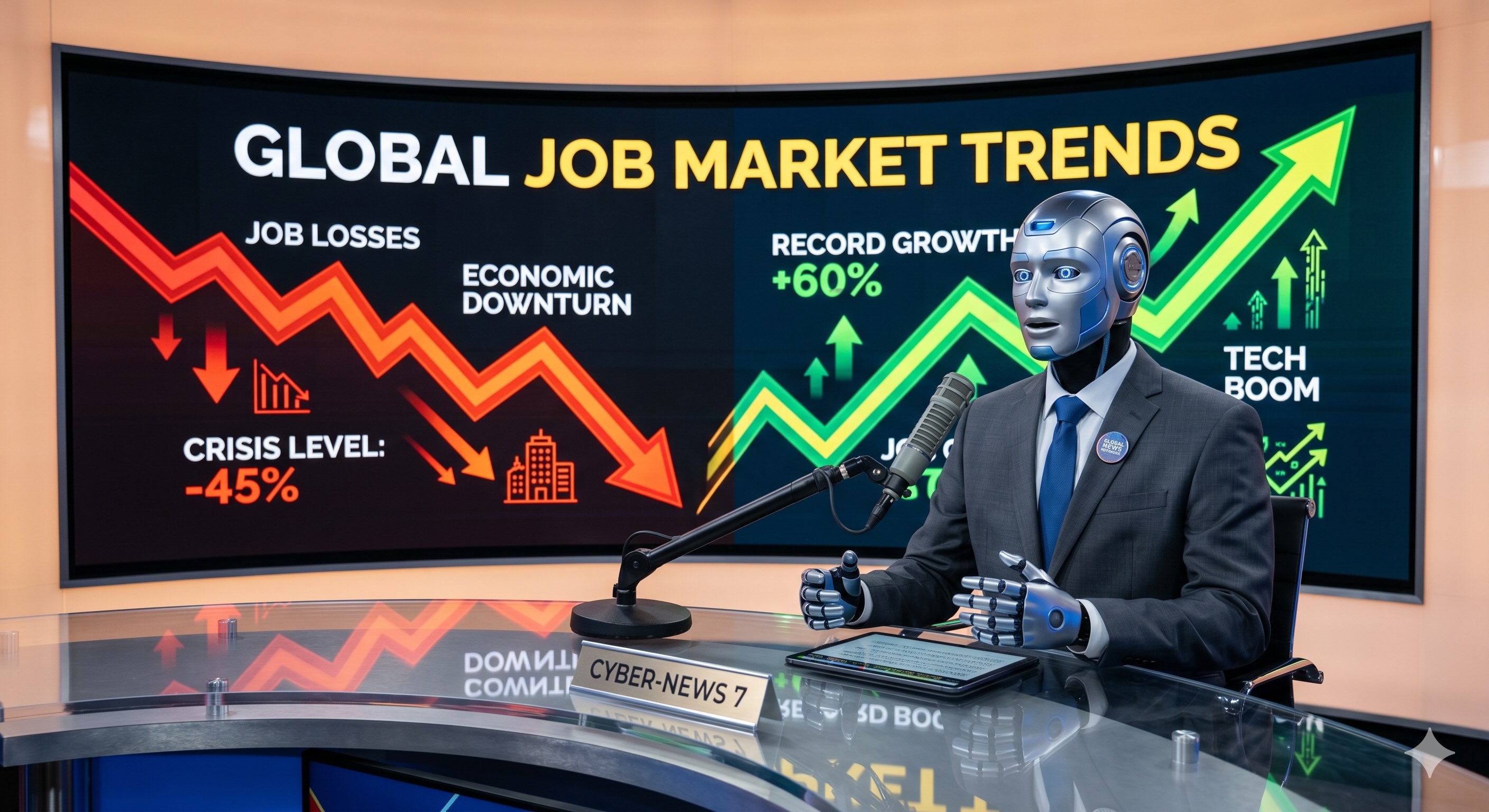
What's New: Two pieces landed in my feed this week with very different vibes but the same underlying message: nobody actually knows what AI is doing to the job market yet. The first is a profile of Morgan Frank, a Pitt researcher who had to cold-call state unemployment offices to get the granular data needed to study AI's effect on jobs — because that data essentially didn't exist. The second is from Apollo's chief economist, making the case for what he calls the "Jevons employment effect" — the idea that as professional work gets cheaper to produce, demand expands, and total employment grows.
What’s up With This:
Frank's team built a new dataset by combining state-level unemployment claims with job categories, so they could finally see AI's impact at a granular level instead of just looking at the overall economy
Their model could explain about 20% of changes in employment — meaningful, but a reminder that 80% is still driven by other things
A separate Frank study using LinkedIn data found recent graduates in AI-exposed fields lost more salary and spent longer job-hunting after 2022 — but the trend started before ChatGPT launched, suggesting interest rates were the real driver, not AI
Apollo's argument runs the other direction: when steam engines made coal cheaper, Britain burned more coal, not less. Same pattern with cheaper legal, consulting, and financial work
Their charts show young-worker unemployment falling and weekly new business formation at record highs — interpreted as evidence that cheaper professional services are expanding the market, not shrinking it
Why It Matters: The "AI is taking jobs" headlines are running ahead of the data. Even researchers who specialize in this question are working with tools that weren't built to detect what's happening, and the experts who are getting clean data are finding the picture is genuinely mixed. For life sciences professionals trying to figure out how worried to be, the honest answer right now is: nobody can tell you, and anyone speaking with certainty is selling something. What's actually visible is that the cost of producing certain kinds of professional work is dropping, which historically has expanded markets rather than collapsed them — but historically isn't always a guide.
My Take: Don't trust the headlines, in either direction. It's all disruptive, sure. But there was a time when website designer, SaaS founder, and content creator weren't jobs that existed. Whole categories of careers got invented in the last two decades, and the same thing is going to happen again — probably faster this time. I'm less worried about what's going away and more curious about what's coming. No one can predict the future, no matter how clicky the headline.
Source: Frank profile, Pitt | Apollo, The Jevons Employment Effect From AI
Get the next edition in your inbox
Clear, practical takes on what matters for your CMC, QA, and regulatory work, once a week.
No spam. Unsubscribe anytime.